
1943 Steel Penny Value: How to Spot the Real Thing
A 1943 steel penny is worth $0.10-$5 depending on condition, but a genuine 1943 bronze error cent is one of the rarest US coins. Here is how to test which one you have.
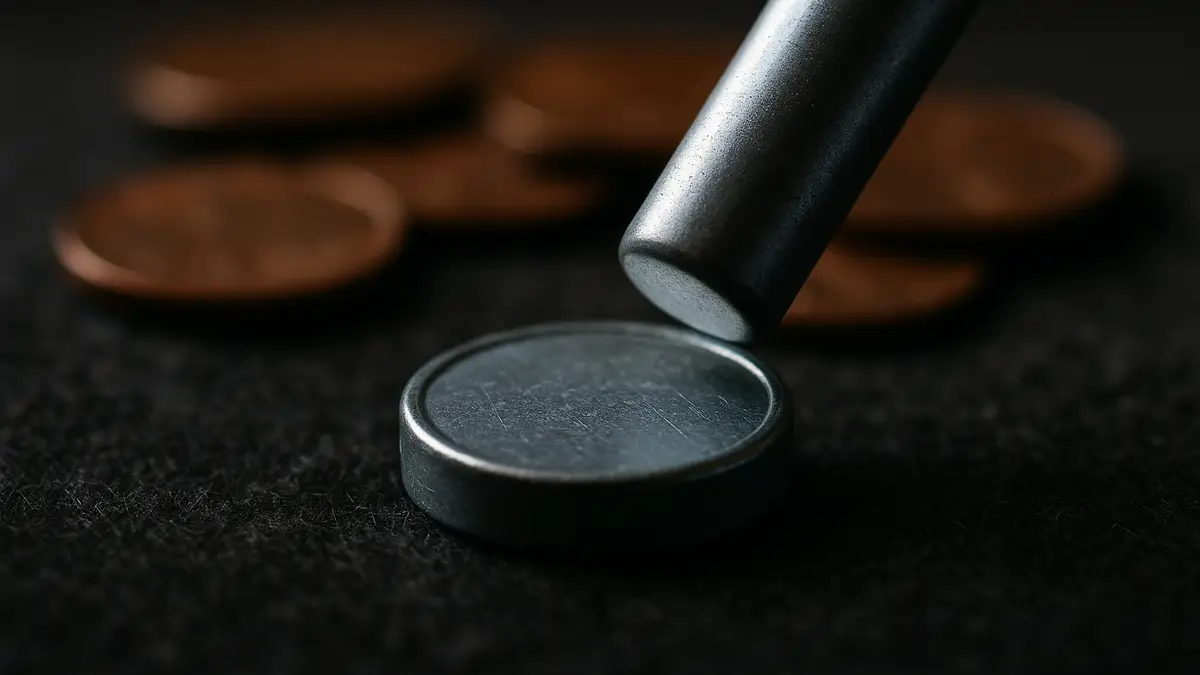
A 1943 steel penny turns up in almost every big coin jar, and it is one of the few coins where the metal itself tells the story before you even check the date. It is also the year connected to the most famous error coin in US history, which is exactly why people get excited when they find one.
Why is a 1943 penny made of steel?
Copper was a critical wartime material in 1943, needed for ammunition casings and other military equipment, so the US Mint switched the one-cent coin to zinc-coated steel for that year only. The result is a coin that looks silver rather than copper, and it is genuinely lighter and more magnetic than the bronze cents struck before and after it.
The switch lasted a single year. By 1944, the mint moved to cents made from recycled shell-case brass, and steel cents were retired, which is part of why 1943 stands out so clearly in a mixed jar of wheat pennies.
What is a 1943 steel penny worth today?
| Condition | Typical value |
|---|---|
| Heavily worn, some surface rust or corrosion | $0.10-$0.25 |
| Moderate wear, clean surfaces | $0.25-$0.50 |
| Uncirculated, original luster | $2-$5 |
These are collector-market ranges, not investment advice. Steel cents corrode more easily than bronze cents, since the thin zinc coating over the steel core chips and wears with handling, exposing the steel to rust. A 1943 cent with visible orange or dark corrosion spots sits at the low end of its grade regardless of how little it actually circulated.
What is the rare 1943 bronze penny error?
A small number of leftover bronze planchets from 1942 production apparently stayed in the coin presses when the mint switched to steel for 1943, and those planchets got struck with 1943 dies by mistake. The result is a genuine 1943 cent made of bronze instead of steel, and it is one of the most famous error coins in US numismatics.
Only a handful of verified genuine examples are known across all three mints that struck cents in 1943, which makes it exceptionally rare relative to the enormous number of ordinary steel cents from the same year. Verified genuine examples have sold at auction for well into six figures, and in at least one documented case, over a million dollars.
How do you test if your 1943 penny is the rare bronze version?
Run two tests before assuming anything.
Magnet test. Hold a magnet near the coin. A steel cent, even one that has been copper-plated to look bronze, will stick to the magnet because the core is steel. A genuine bronze cent will not stick at all, since copper is not magnetic. This single test rules out the vast majority of fakes in seconds.
Weight test. A genuine bronze cent weighs about 3.11 grams. A steel cent weighs less, close to 2.7 grams, because steel is less dense than the bronze alloy. If a coin fails the magnet test, weight alone confirms which one you actually have.
Most “1943 copper pennies” that turn up are copper-plated steel cents, which fail the magnet test immediately, or 1948 cents with the last digit altered to look like a 3, which a close look at the shape of the numeral under magnification usually exposes. If a coin passes both the magnet and weight tests, the next step is authentication by a professional grading service, not a quick sale, given what a genuine example is worth. Selling first and confirming later, in either direction, is how both real finds get given away for far less than they are worth and altered coins get overpaid for.
Does the mint mark change a 1943 steel penny’s value?
Only slightly. Philadelphia (no mint mark), Denver (D), and San Francisco (S) all struck steel cents in 1943, and all three produced large quantities. San Francisco strikes sometimes carry a small premium in top uncirculated grades since its overall 1943 output ran lower than the other two mints, but for an average circulated coin the difference is minor. Condition and surface quality do far more to move the price than the mint mark does on this date.
How do you keep a steel penny from rusting further?
Steel cents are more fragile than any other coin in a typical wheat penny collection, so storage matters more here than elsewhere. Keep them dry, since moisture is what starts the corrosion that eats into the zinc coating and reaches the steel underneath. A coin flip or capsule in a low-humidity spot works better than a loose jar, where condensation and contact with other coins accelerate surface rust. Do not attempt to polish or remove existing rust yourself; that almost always scratches the surface and lowers the grade further rather than restoring it. If a steel cent already shows corrosion, leave it as is and price it in that condition rather than making it worse trying to improve it.
Where should you check next?
The steel year sits inside a longer run of wartime and postwar wheat cents worth sorting through together. Our wheat penny value by year guide charts the full 1909-1958 series, and our 1945 wheat penny guide covers the composition that replaced steel once the war-driven shortage eased. Once you know what you have, our guide to selling old coins covers where a genuinely rare find belongs versus where a common date does, since those two situations call for very different buyers.
Frequently asked questions
Quick answers to what readers ask us most
Is a 1943 steel penny worth anything?
A common circulated example is worth $0.10 to $0.50, and an uncirculated one can bring $2 to $5. That is well above face value for a common date, though far below what a genuine 1943 bronze error cent is worth.
Why does a 1943 penny stick to a magnet?
Because it is struck on a zinc-coated steel planchet, and steel is magnetic. This is the fastest way to rule out the rare bronze error: a genuine 1943 bronze cent is copper, which is not magnetic, so it will not stick.
How rare is a genuine 1943 bronze penny?
Extremely rare. Only a small number of verified genuine examples are known across the Philadelphia, Denver, and San Francisco mints combined, and most coins that look like a bronze 1943 cent turn out to be copper-plated steel cents or altered dates instead.
What should I do if my 1943 penny does not stick to a magnet?
Weigh it. A genuine bronze cent should weigh close to 3.11 grams, versus roughly 2.7 grams for a steel cent. If both tests point to bronze, have it authenticated by a professional grading service before assuming it is genuine, since altered-date fakes are common.