
1937 Buffalo Nickel Value: Key Dates and Price Chart
A 1937 buffalo nickel is usually worth $2-30 depending on condition, but the 1937-D three-legged variety is a genuine key date worth hundreds. Here is how to tell them apart.
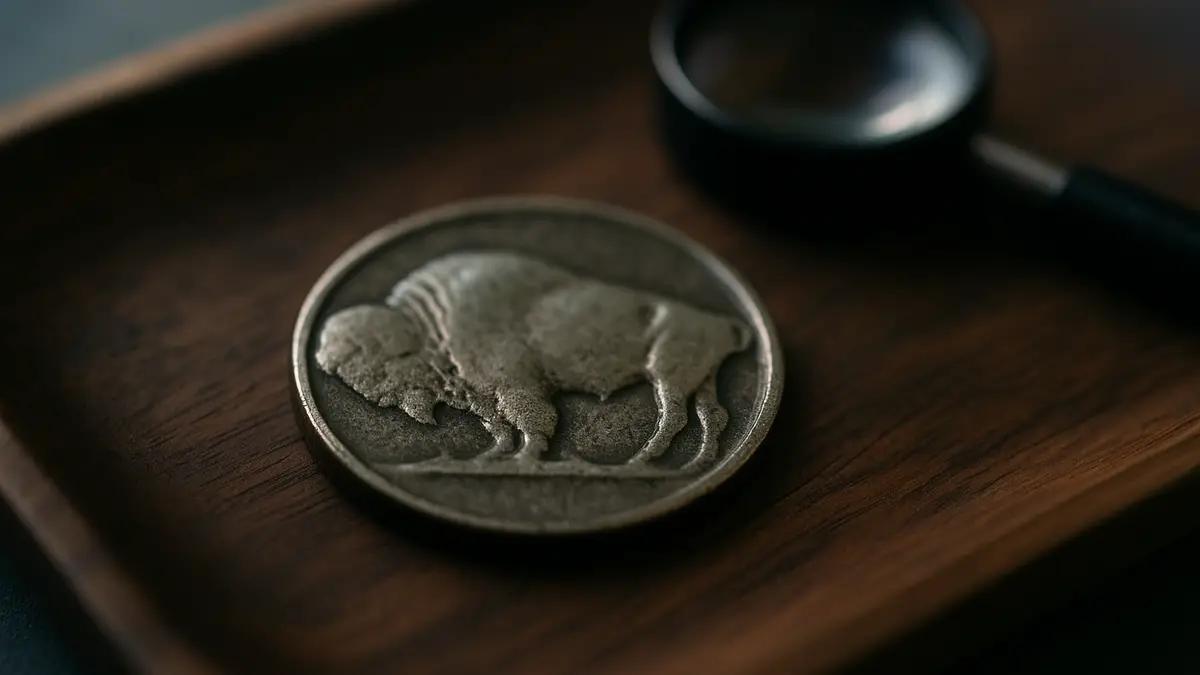
Most 1937 buffalo nickels are ordinary coins with a modest value, but this date carries one of the most famous errors in US coinage, so it is worth a careful look before you file it under “common.”
Is a 1937 buffalo nickel worth anything?
Generally, yes, but only a modest amount. A worn, common 1937 buffalo nickel typically sells for $2 to $5, and an uncirculated example with full detail can bring $15 to $30. All three mints running in 1937, Philadelphia, Denver, and San Francisco, struck substantial quantities that year, so an average circulated example from any of them falls in that same range.
Buffalo nickels are standard copper-nickel coins, the same composition and specs as the Jefferson nickels that replaced them starting in 1938: 5.00 grams, 21.21mm across. There is no silver in a buffalo nickel, so unlike a pre-1965 silver quarter or dime, its value comes entirely from collector demand rather than metal content.
What is the 1937-D three-legged buffalo nickel?
This is the one 1937 variety worth genuinely stopping for. At the Denver mint, a reverse die was polished aggressively enough to remove most of the buffalo’s front leg, and coins struck from that worn die show the animal standing on what looks like three legs instead of four. It is a well-documented and widely recognized error, not a rumor, and it is one of the most searched-for varieties in the entire buffalo nickel series.
Because the error is visually distinctive rather than subtle, genuine examples are identifiable without special equipment, though confirming one before you price it that way is still worth doing.
How do you check for a three-legged buffalo nickel?
Look at the reverse, the side with the bison. A normal buffalo nickel shows four legs. On the three-legged variety, the front leg is largely missing, not just thin from wear, leaving a visible gap between the body and the ground line. This only applies to 1937-D coins; a worn 1937 nickel from Philadelphia or San Francisco with an indistinct leg is almost always ordinary wear, not the variety.
What is a 1937 buffalo nickel worth by mint mark and grade?
| Mint mark | Variety | Circulated value | Uncirculated value |
|---|---|---|---|
| None (Philadelphia) | Standard | $2-$4 | $15-$25 |
| D (Denver) | Standard | $2-$4 | $15-$25 |
| D (Denver) | Three-legged | $500-$1,000+ | Rare in true uncirculated grade |
| S (San Francisco) | Standard | $3-$5 | $20-$30 |
These are collector-market ranges, not investment advice, and the three-legged variety in particular should be confirmed by a dealer or grading service before you rely on a number this size.
Why do so many buffalo nickels lose their date?
The date sits on a raised area at the base of the design, one of the highest points on the coin, which means it wears down faster than almost anything else on it. A buffalo nickel that circulated for decades often ends up with no visible date at all. A dateless buffalo nickel usually sells for well under a dollar regardless of what year it actually is, since there is no way to confirm the date or mint mark, and that includes coins that might otherwise have been a scarcer year. Our grading basics guide explains how wear location like this factors into a coin’s overall grade.
What should you check to grade a buffalo nickel yourself?
Two spots tell you most of what you need before a formal grade. On the obverse, look at the hair braid and cheekbone on the portrait; heavy wear flattens those details first. On the reverse, look at the horn and the ridge along the buffalo’s back; a coin with a sharp, distinct horn and visible fur texture along the spine sits well above a coin where those details have smoothed into the surrounding metal. A coin that keeps both features crisp is usually Extremely Fine or better, while a coin with a flattened horn and a mostly smooth back is closer to Good or Very Good on the grading scale.
Buffalo nickels are also known for weak strikes, meaning some coins left the mint with soft detail even before any circulation wear. That makes side-by-side comparison against a clear reference photo more reliable than judging a single coin in isolation.
Why is it called a buffalo nickel?
The design shows a Native American portrait on the obverse and an American bison, commonly called a buffalo, on the reverse, which is where the nickname comes from even though the coin’s official name is the Indian Head nickel. It replaced the Liberty Head nickel in 1913 and was itself replaced by the Jefferson nickel in 1938, giving the series a run of just 25 years, shorter than most other classic US coin designs.
How should you store a 1937 buffalo nickel?
Handle it by the edge, not the flat faces, since oils from skin can start toning that shows up later as uneven discoloration. A cardboard 2x2 flip or a coin capsule is inexpensive protection against the kind of shelf wear that slowly downgrades an otherwise nice coin. As with any older coin, avoid cleaning it. A cleaned buffalo nickel typically shows fine hairline scratches under magnification that an experienced buyer will spot immediately, and cleaning almost always reduces the price rather than improving it.
Where should you go from here?
If you are working through more than one buffalo nickel, our buffalo nickel value by year guide covers the full 1913-1938 run, including the other genuine key dates in the series and how to spot them. Once you know what you actually have, our guide to selling old coins walks through the realistic options for turning a key-date find into cash without underselling it to the first buyer who looks at it.
Frequently asked questions
Quick answers to what readers ask us most
Is a 1937 buffalo nickel worth anything?
A typical circulated example is worth $2 to $5, and an uncirculated one can bring $15 to $30. Those are collector-market ranges for the common date, not the rare three-legged variety, which is worth substantially more.
What is a three-legged buffalo nickel?
It is a well-documented die variety from the Denver mint where over-polishing the die wore away most of the buffalo's front leg on the reverse. Genuine examples show a visibly missing leg, not just wear, and are worth $500 or more even in lower grades.
How do I know if my 1937-D nickel is the three-legged variety?
Check the reverse under good light or magnification. The buffalo should show four legs; if the front leg is clearly absent rather than just worn thin, and the coin is dated 1937 with a D mint mark, it is worth having examined by a dealer or grading service.
Why do so many buffalo nickels have no visible date?
The date sits on a raised, high-relief area that wears smooth faster than the rest of the design, so heavily circulated buffalo nickels often lose the date entirely. A dateless buffalo nickel is usually worth only a small amount regardless of the actual year.